Thalassemia: Understanding the Disease and Prevention
The thalassemias are a group of inherited hematological disorders caused by defects in the synthesis of one or more of the hemoglobin (Hb) chains. β-Thalassemia is caused by reduced or absent synthesis of ß-globin chains. α-Thalassemia is caused by reduced or absent synthesis of α-globin chains. Globin-chain imbalances cause hemolysis and impair erythropoiesis.
The least serious group is thalassemia trait, an asymptomatic condition requiring no blood transfusions. A more severe form is non–transfusion-dependent thalassemia (NTDT), which has clinically relevant symptoms and may require only occasional transfusions or none. The most serious group is β-thalassemia major, or transfusion-dependent thalassemia (TDT). With severe clinical manifestations, TDT is usually diagnosed early in life, and patients require regular blood transfusions to survive.
Patients with abnormal synthesis within these hemoglobin chains may have NTDT: HbE/β-thalassemia, HbH/α-thalassemia, or thalassemia intermedia. Globally, an estimated 15 million people have thalassemia. Emigration of populations from South and Southeast Asia has increased the worldwide prevalence of the disease. For patients suspected of having thalassemia, physicians should enquire about their ethnic background, family history of hematological disorders, and dietary history.
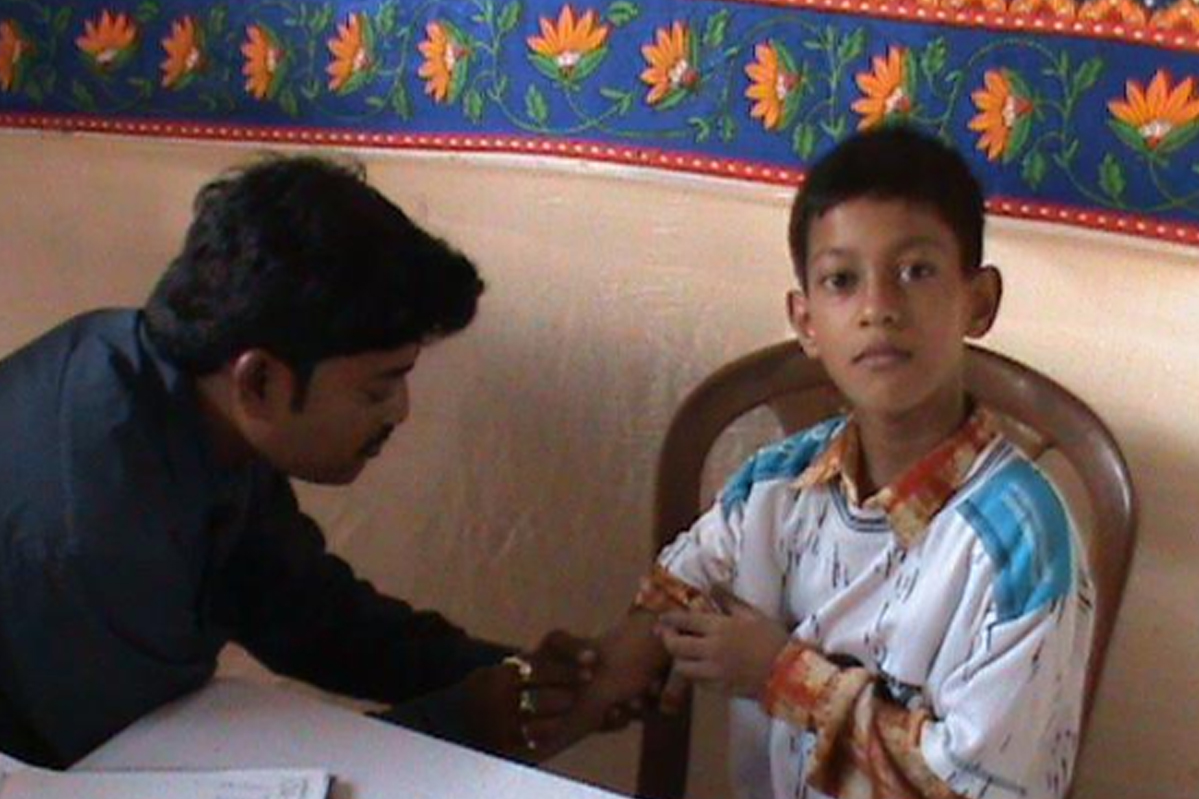
For this purpose we have organized a free awareness camp and free blood test camp several times in association with SERUM Thalassemia Prevention Federation.